Deluxe Foods / Infant Nutrition

INFANT FORMULA

Parenthood doesn't come with a manual. But if there's one thing I've learned from listening to hundreds of parents—it's that feeding decisions, especially in those first few months, can be the most stressful. And choosing the right infant formula? That's where it often starts. The problem is, the shelves are full of options. Stage 1, 2, 3... specialty formulas, soy-based, lactose-free, DHA-enriched, anti-colic, hypoallergenic. It's overwhelming. And unfortunately, not every product comes with clear, culturally relevant guidance—especially here in Pakistan, where access to pediatric dietitians can be limited, especially outside urban areas. So, let's break it down. Not in clinical jargon, but in the kind of language real parents use when they're sleep-deprived, worried, and just want to know they're doing the right thing.

SCROLL TO EXPLORE
The first question

First, why “stages” at all?

Infants grow rapidly in the first year of life—and their nutritional needs change just as fast. Staged formulas are designed to reflect that. They aren't marketing gimmicks (at least, not when done right). They're meant to provide the right balance of protein, fats, carbohydrates, vitamins, and minerals for each phase of development. Here's a general breakdown.

01
Stage 1

For Birth to 6 Months

This is typically designed to be as close to breast milk as possible. It's whey-dominant (the easier-to-digest milk protein), contains lactose as the main carbohydrate, and includes essential fatty acids like DHA. Some may include nucleotides or prebiotics to support immunity.

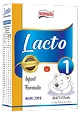
Lacto infant formula stage 1 pack
02
Stage 2

6 to 12 months

Babies start to sit up, crawl, and explore the world. Their iron stores begin to dip, and energy needs go up. Stage 2 formulas are slightly heavier in nutrients—more iron, more protein—and are designed to complement weaning foods. Some parents worry: “Will it be too heavy?” Not usually. But babies vary. That's why transitioning gradually and watching for signs (gassiness, constipation, refusal) is so important.

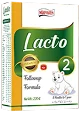
Lacto infant formula stage 2 pack
03
Stage 3

12 months and beyond

At this point, babies are technically toddlers. Some are eating family meals. Others are still hesitant. Stage 3 formulas can act as nutritional insurance—rich in calcium, B-vitamins, and sometimes added pre/probiotics.

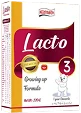
Lacto infant formula stage 3 pack
02

Specialist formulas

Some babies need a little extra consideration. These products are made for specific nutritional needs.

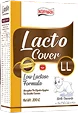
Lacto Cover lactose free formula pack

Lactose Free Formula – Birth Onwards

Lactose-free infant milk is nutritionally complete, designed for babies with lactose intolerance, and replaces lactose with other carbohydrates like glucose syrup or maltodextrin. This type of formula should be used under medical supervision.

Lactopre formula for premature infants pack

Formula For Premature Infants – Birth Onwards

Pre-infant milk, also known as preterm formula, is a high-energy, nutrient-dense formula with higher levels of protein, fat, and vitamins/minerals compared to standard infant formula, designed for premature or low-birth-weight infants.

LactoAR anti regurgitation formula pack

Anti Regurgitation Formula – Birth Onwards

Anti-regurgitation infant milk is characterized by its thickened consistency. This thickening helps reduce the frequency and volume of spit-up and reflux by increasing the milk's viscosity. These formulas are complete nutritional supplements and often contain potato or beneficial ingredients like probiotics, or specific protein ratios to support healthy development.

A considered choice

Every beginning deserves clear guidance.

Formula selection should always reflect a baby's individual needs. Speak with a pediatrician or qualified healthcare professional when choosing or changing an infant formula.

Talk to our team ↗